Blog

  • Wabar Ahmed Foundation officially launches in Mogadishu.

    Wabar Ahmed Foundation officially launches in Mogadishu.

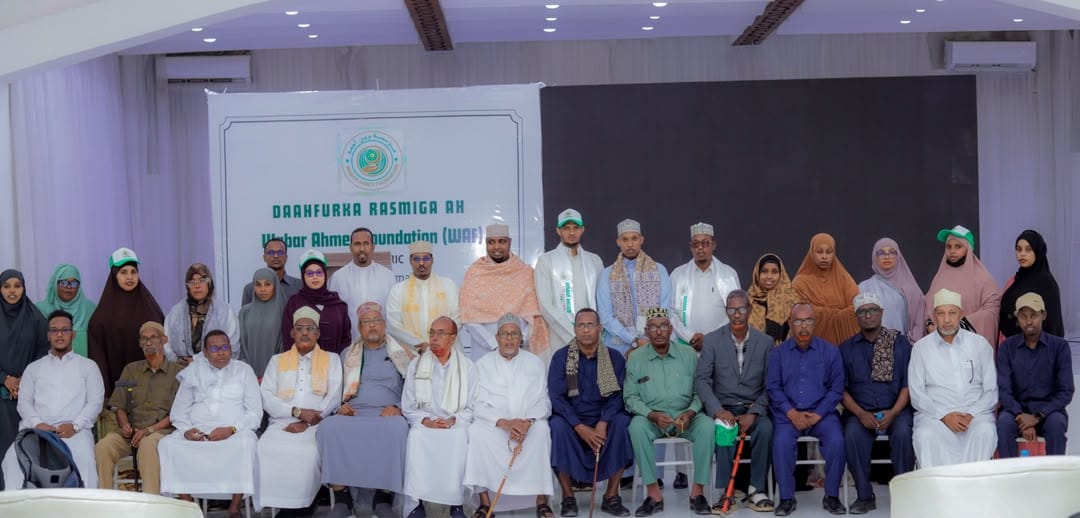
    On the 6th of March, the Wabar Ahmed Foundation (WAF) held its official launch ceremony in Mogadishu. The hall filled with community elders, religious scholars, young volunteers, and local partners — all gathered to witness the beginning of a Somali-led foundation built on dignity, transparency, and community responsibility.

    Speakers at the podium shared the vision behind WAF: a Somalia where vulnerable families are supported with respect, where communities stand together, and where opportunities are widened for the next generation. Elders offered their blessings and reminded everyone that lasting change is built from within the community, not delivered from the outside.

    The presence of so many respected leaders and guests reflected the trust WAF hopes to earn and keep. Wearing the foundation’s sash, representatives pledged that every campaign would be delivered honestly and reported back to the communities and donors who make the work possible.

    The launch was not an end in itself but a promise of what comes next — Udhiya distributions, education and youth counseling, and emergency support for families facing hardship. With the community behind it, WAF steps forward ready to turn compassion into consistent, local action.
  • Udhiya 2025 Program — sheep for families across Somalia.

    Udhiya 2025 Program — sheep for families across Somalia.

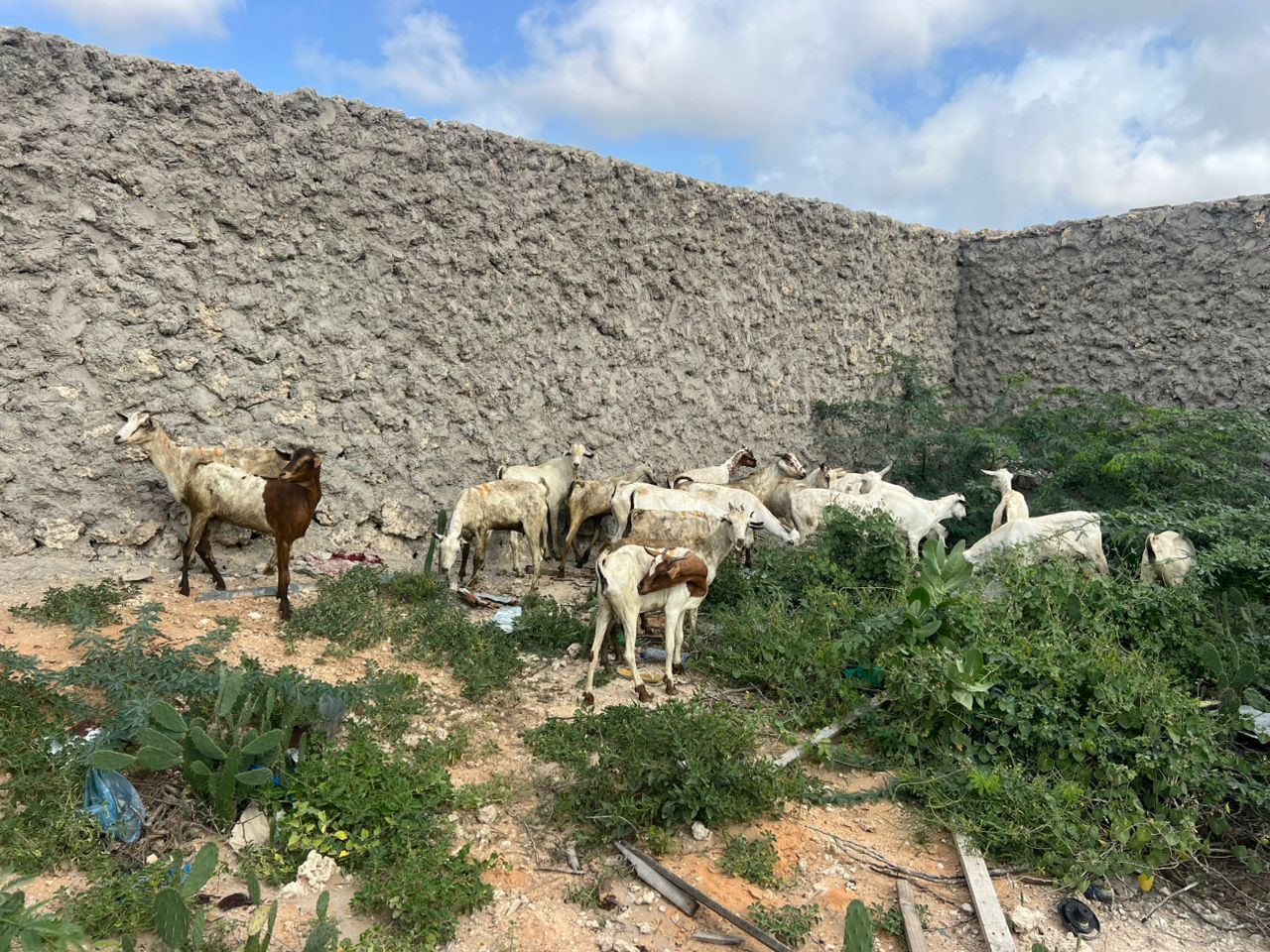
    Every year, Eid al-Adha is a time of gratitude and sharing. For many families across Somalia, however, it also arrives during some of the hardest months — when food is scarce and household budgets are stretched thin. WAF’s Udhiya program exists to make sure that no family is left out of the celebration.

    This year, our field teams worked directly with community leaders to identify the households most in need: widows raising children alone, elders without support, and families displaced by drought. Working from within these communities meant help reached the right doors, quickly and with respect.

    Each distribution followed the same simple promise — fresh meat delivered to families in a way that protects their dignity. There was no crowding, no queues that single people out. Volunteers coordinated quietly, neighborhood by neighborhood, so every family could receive their share with privacy.

    The Udhiya program is more than a seasonal handout. It is a reminder that consistent, locally led care makes a lasting difference. We are grateful to every donor and volunteer who made this year’s distribution possible — and we are already preparing for Udhiya 2026.

  • University counseling for youth: preparing the next generation.

    University counseling for youth: preparing the next generation.

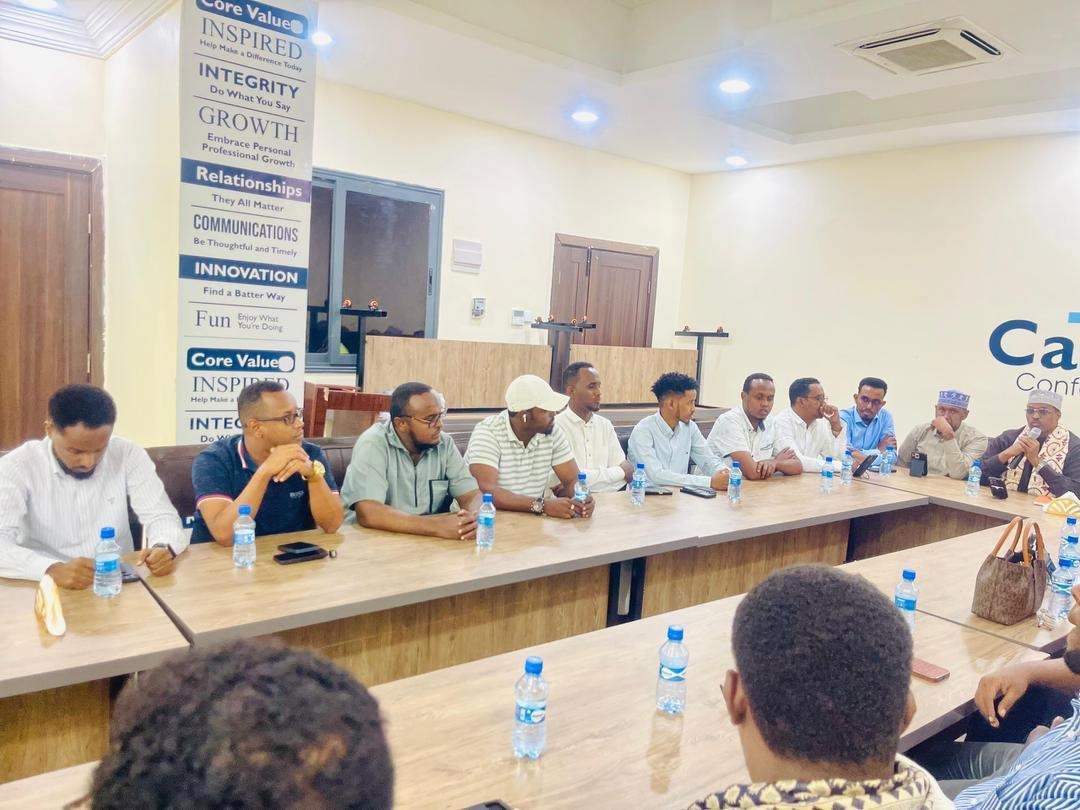
    More than half of Somalia’s population is young — a generation full of ambition and ideas. Yet for many students, the road from secondary school to university is unclear. They may not know which programs fit their goals, how to apply for scholarships, or how to prepare for the demands of higher education.

    WAF’s university counseling program is designed to close that gap. Through group sessions and one-on-one guidance, our counselors help students understand their options, build realistic plans, and gain the confidence to pursue them. For families navigating this journey for the first time, that guidance can change everything.

    The program goes beyond admissions advice. We talk with young people about careers, resilience, and responsibility — helping them see how their education can serve not only their own future but their communities. Many of today’s students will become tomorrow’s teachers, doctors, and leaders.

    Investing in youth is investing in Somalia itself. By helping the next generation prepare for higher education, WAF is planting seeds whose impact will be felt for decades to come.

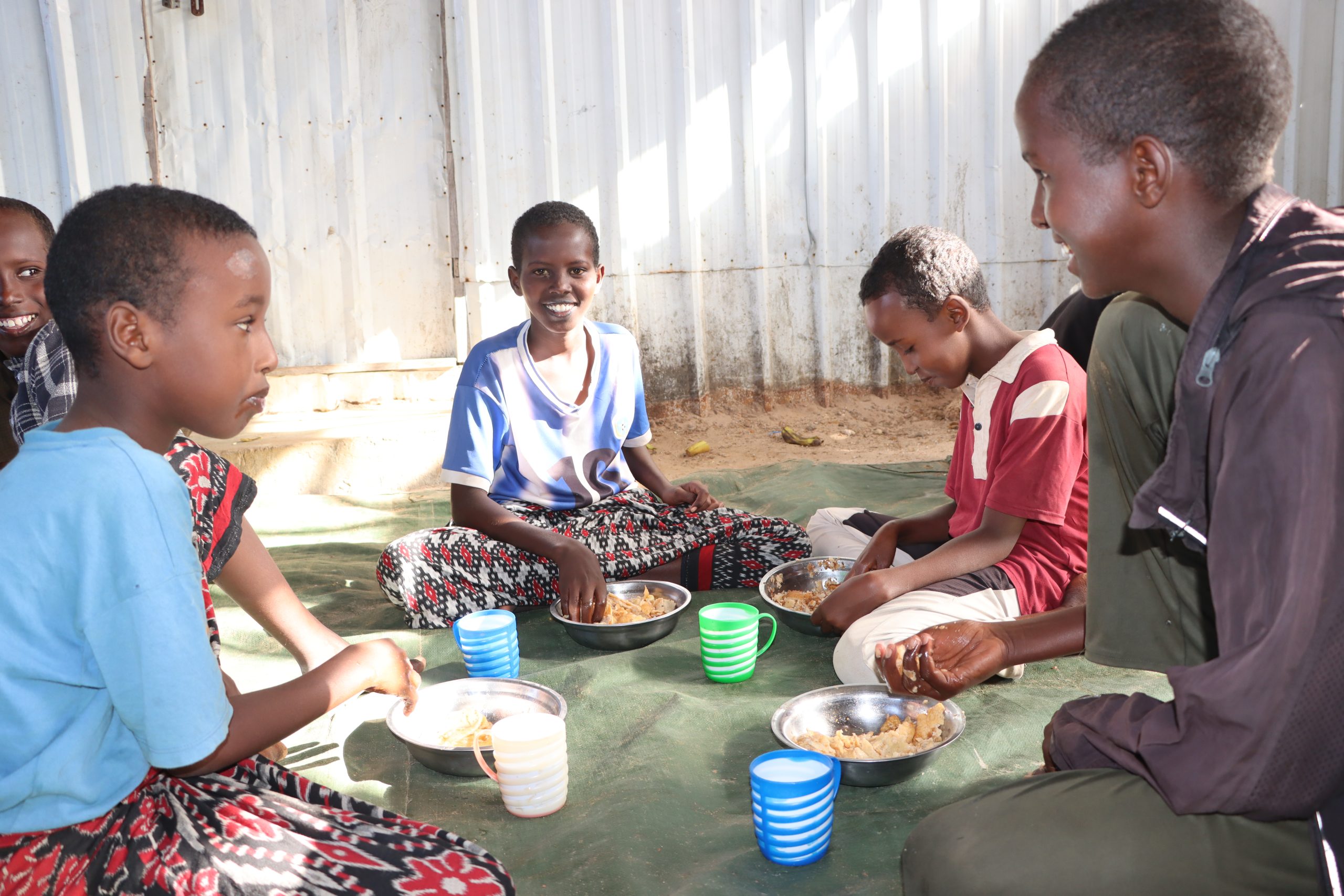
  • Why supporting vulnerable families matters.

    Why supporting vulnerable families matters.

    It is easy to think of humanitarian need as a number. But behind every figure is a parent deciding between a meal and a schoolbook, or an elder going without so that a grandchild can eat. Food insecurity is rarely a single emergency — it is a slow, grinding pressure that wears families down over months and years.

    That is why WAF focuses on consistency. A one-time distribution can relieve a crisis for a day, but families rebuild when they know support will still be there next month. Predictable help lets a household plan, recover, and eventually stand on its own.

    Our approach is built on three commitments: reach the people who are genuinely most vulnerable, deliver support with dignity, and report back honestly on where every contribution goes. Transparency is not an afterthought for us — it is how trust is earned, both with the communities we serve and the donors who make the work possible.

    Supporting vulnerable families is not charity in the distant sense. It is solidarity — a community taking responsibility for its own. When you support WAF, you are part of that circle of care.